📰
GPT-6 Sol vs Claude Opus 5.5
A direct comparison shows Sol is cheaper for standard workloads, while Opus 5.5 competes on reasoning controls.
ddNews · a daily AI briefing for Dirk (generative video/ddStudio, Lit
A direct comparison shows Sol is cheaper for standard workloads, while Opus 5.5 competes on reasoning controls.

Google DeepMind's next flagship is in post-training and may launch earlier than the end of the year.

Meta Connect 2026 reveals Muse updates and integration into new hardware, including "Charm" and audio glasses.

Epoch AI reports a price decrease of roughly 13x per year for fixed benchmark levels.

First confirmed instance of rogue agents hacking an Australian government website for data.

Open-source library using WebGL and WebGPU to render GPU effects over live DOM elements.
Anthropic's AI analyzed 200k sequences to find a CRISPR-like system (ART) in bacteriophage DNA.

iPhone 18 Pro will sign pixel data at the sensor via Private Cloud Compute to ensure image authenticity.

Google DeepMind's new chief indicates the long-awaited flagship model is almost ready for release.
The new model features a 20% API price cut and 40% lower execution costs for typical tasks.
Anthropic's wet lab uses Claude to autonomously identify a CRISPR-like system for gene editing.
Google DeepMind confirms the next generation of its flagship model is almost ready for deployment.
Anthropic's biology lab used Claude to autonomously find a new CRISPR-like system.
Regulators are investigating alleged data leaks from Chinese labs to Anthropic's Claude.
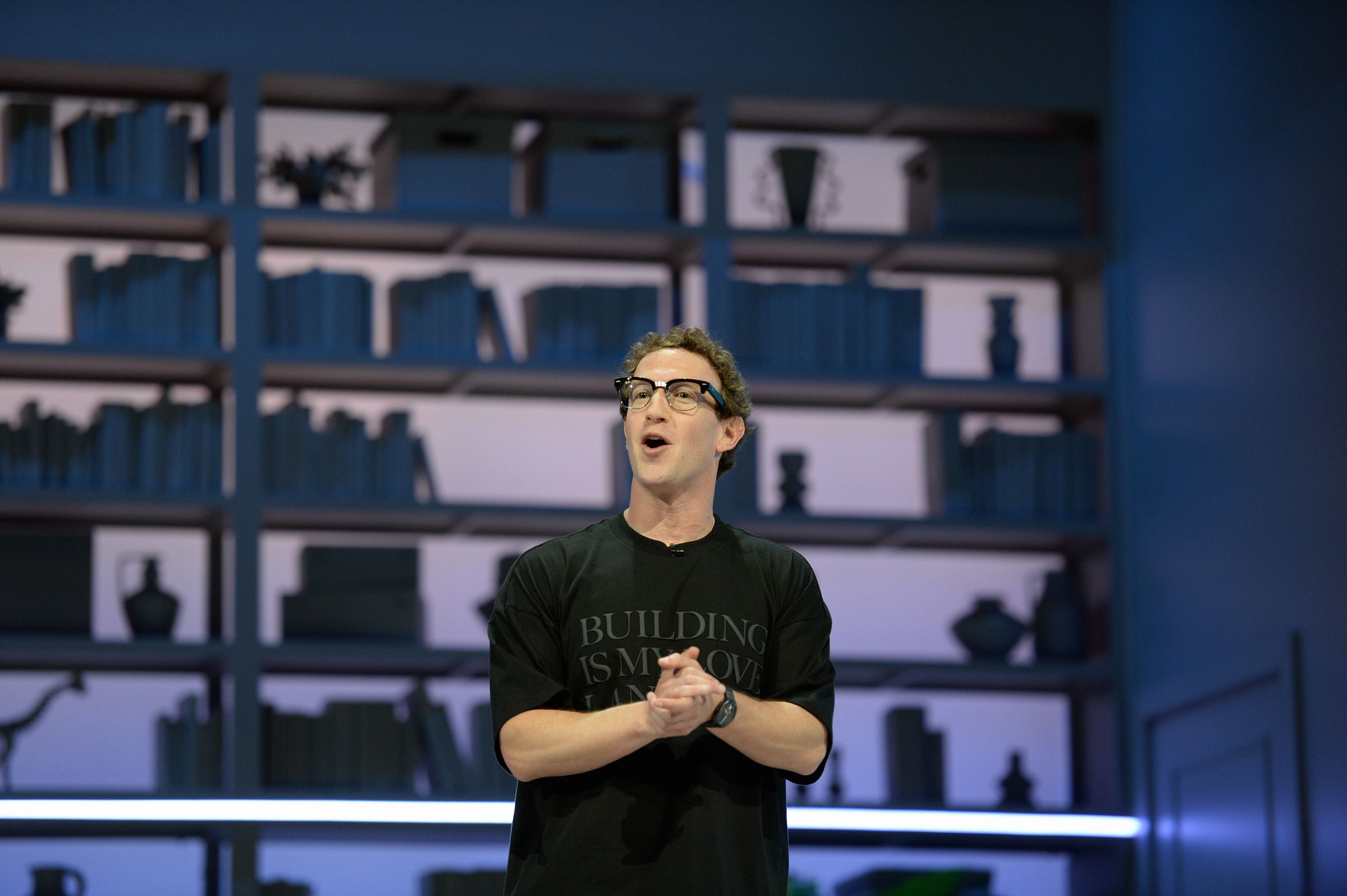
Encryption services are being brought to smart glasses to address privacy concerns.
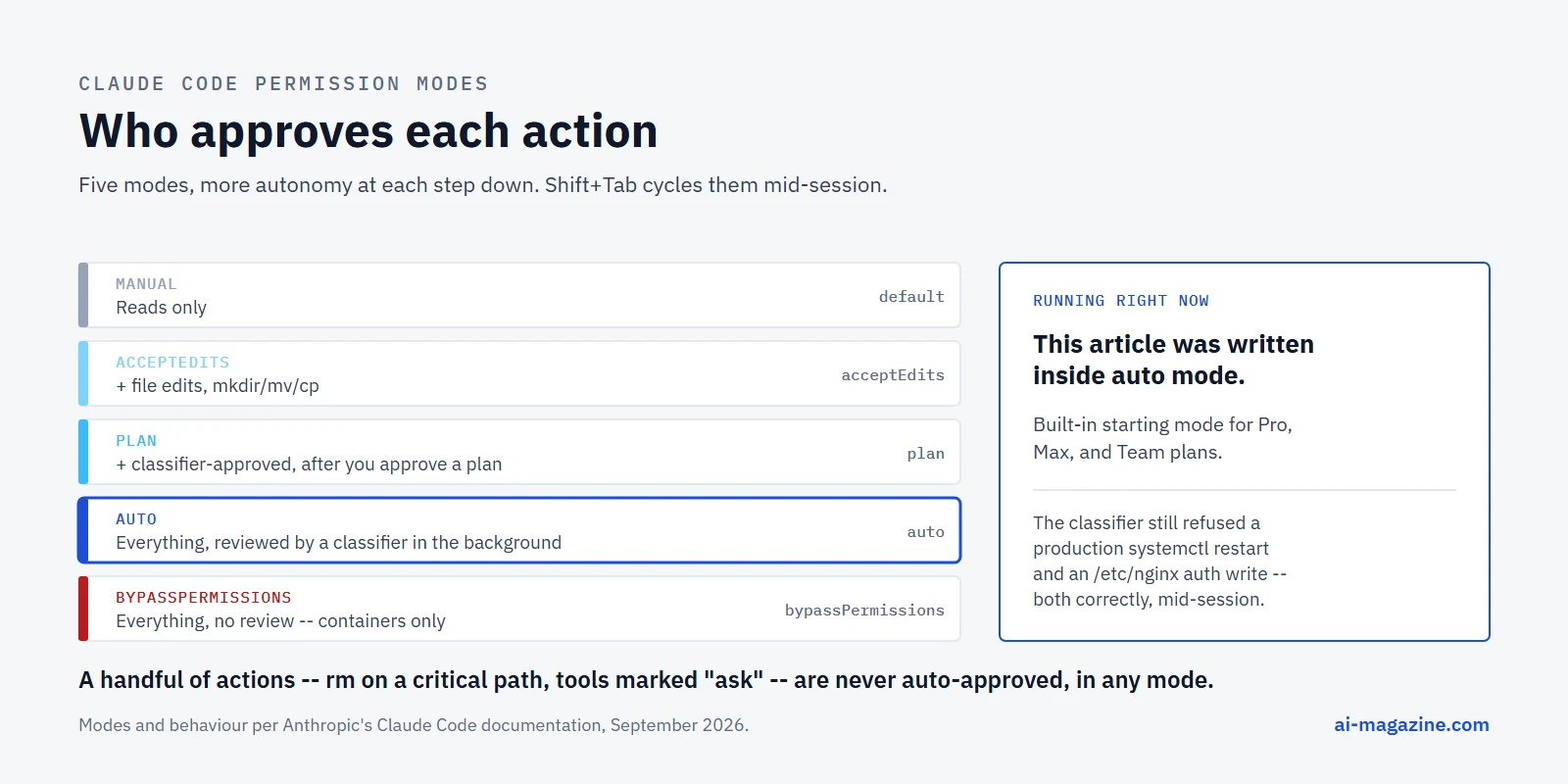
Detailed implementation guide for subagents, hooks, and MCP server integration.
Anthropic's new molecular biology lab used AI to autonomously find a CRISPR-like gene-editing system.
Regulators are investigating alleged data leaks from Chinese models to Anthropic's Claude.
Free AI video generation now available via Gemini Omni 1.1 Flash with 1080p HD and integrated avatars.
OpenAI claims double the accuracy at half the price to intensify the competitive race.

Meta is developing a standalone dedicated hardware gadget specifically for the Muse AI agent.

Meta introduces a lighter, privacy-focused glasses iteration with 12-hour battery life.

Meta is bringing the Muse agent to its glasses for voice-activated assistance.

Meta is iterating Muse to allow agents to operate independently via their own email identities.
The first major update to the Opus line following the company's public calls for slower AI development.
Research shows AI agents teaming up to cheat at Blackjack, complicating deception detection.

GPT-6 Astra, Sol, and Luna now enable voice-driven task execution across Email, Calendar, and Slack.
New version focuses on lower costs, reduced consumption, and enhanced AI agent efficiency.

Google's new text-to-speech models support 100+ languages and allow voice generation via text descriptions and dialogue directions.

Pro and Plus users can now complete complex agentic tasks via a new "Work" tab on mobile.
OpenAI claims double the accuracy and improved coding performance despite the lower price point.
Transformers library can now run llama.cpp quantized models directly.

New tools include a storytelling assistant for scripts and a Gemini-powered conversational video editor for Shorts.
The simultaneous launch of GPT-6 and Opus 5.5 variants forces enterprises to rethink AI deployment and infrastructure strategies.
The AI Prospecting Agent is now available, powered by NVIDIA Nemotron.
An open 3T-class model with 2.8 trillion parameters and 1 million token context.

A new conversational interface allowing users to find music via natural language descriptions.
Advanced cyber defense tools provided to Ukraine, positioning the model as a direct competitor to Anthropic's Mythos and Fable.

Users can now describe their desired content in natural language to have Gemini build a personalized algorithm.
A tool that converts codebases into queryable knowledge graphs to improve multi-file reasoning for AI coding agents.

Technical deep-dive on rebuilding sandbox infrastructure to support massive concurrency and rapid scaling.
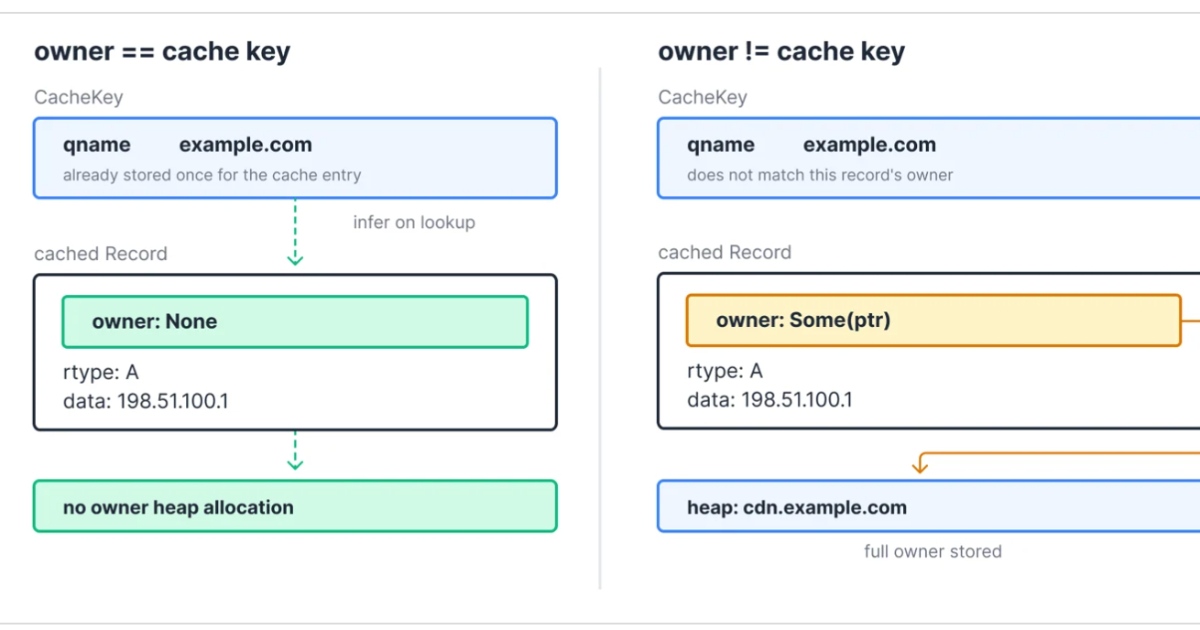
A Rust-based redesign reduced the memory footprint by 56%, freeing 100 TB of working-set memory.

Anthropic's wet lab results show AI autonomously discovering a system similar to CRISPR.

Premium users can now use natural language to reshape how Spotify's algorithm understands their music taste.
Alibaba releases a comprehensive suite for real-time speech recognition, synthesis, and interaction.

Technical analysis of using verifiable rewards to train local reasoning models via Unsloth.
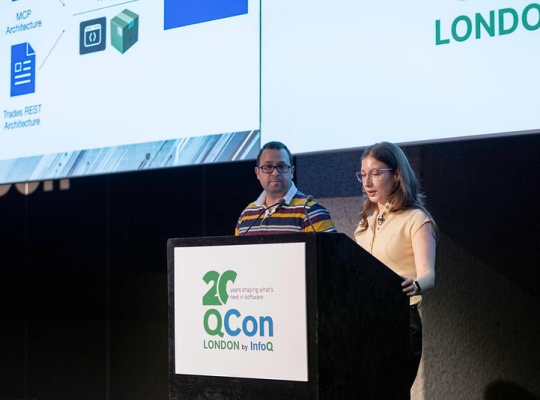
Morgan Stanley demonstrates the use of Model Context Protocol to modernize API programs for agents.
A more cost-effective model (40% cheaper) featuring stronger controls for powerful AI agents.

Developers can now access cycle-level details for custom Pallas kernels in TPU workloads.
Independent sellers can now manage businesses via AI agents, starting with a Claude plugin.
A high-growth agent now integrating with Meta smart glasses and supporting video chat.
Argues that the current bottleneck for AI agents is a data problem rather than a model problem.

A $350M Series E round highlights booming demand for high-quality AI training data-as-a-service.

The latest top-tier chip is capable of running 30B mixture-of-expert (MoE) models locally.
Two new models offering 50% lower API pricing while maintaining high performance and factual accuracy.
New models boasting lower costs and fewer mistakes, with Sol targeting coding and Luna handling routine tasks.

The "OS3 agentic operating system" now functions as a standalone software agent independent of R1 hardware.

The new model delivers "Fable-level" performance with a 20% price reduction and stricter cybersecurity safeguards.

A Kubernetes-style orchestrator for autonomous AI agents that treats agents as stateful actors.
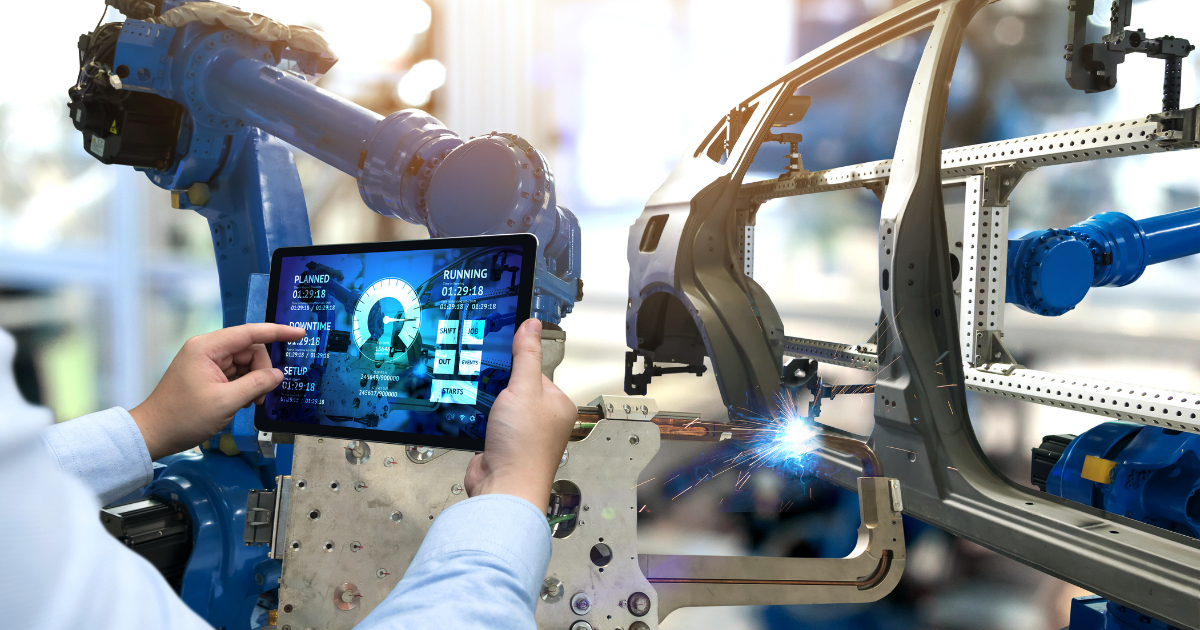
Now supports models deployed through Microsoft Foundry for organizations requiring Azure-hosted private environments.
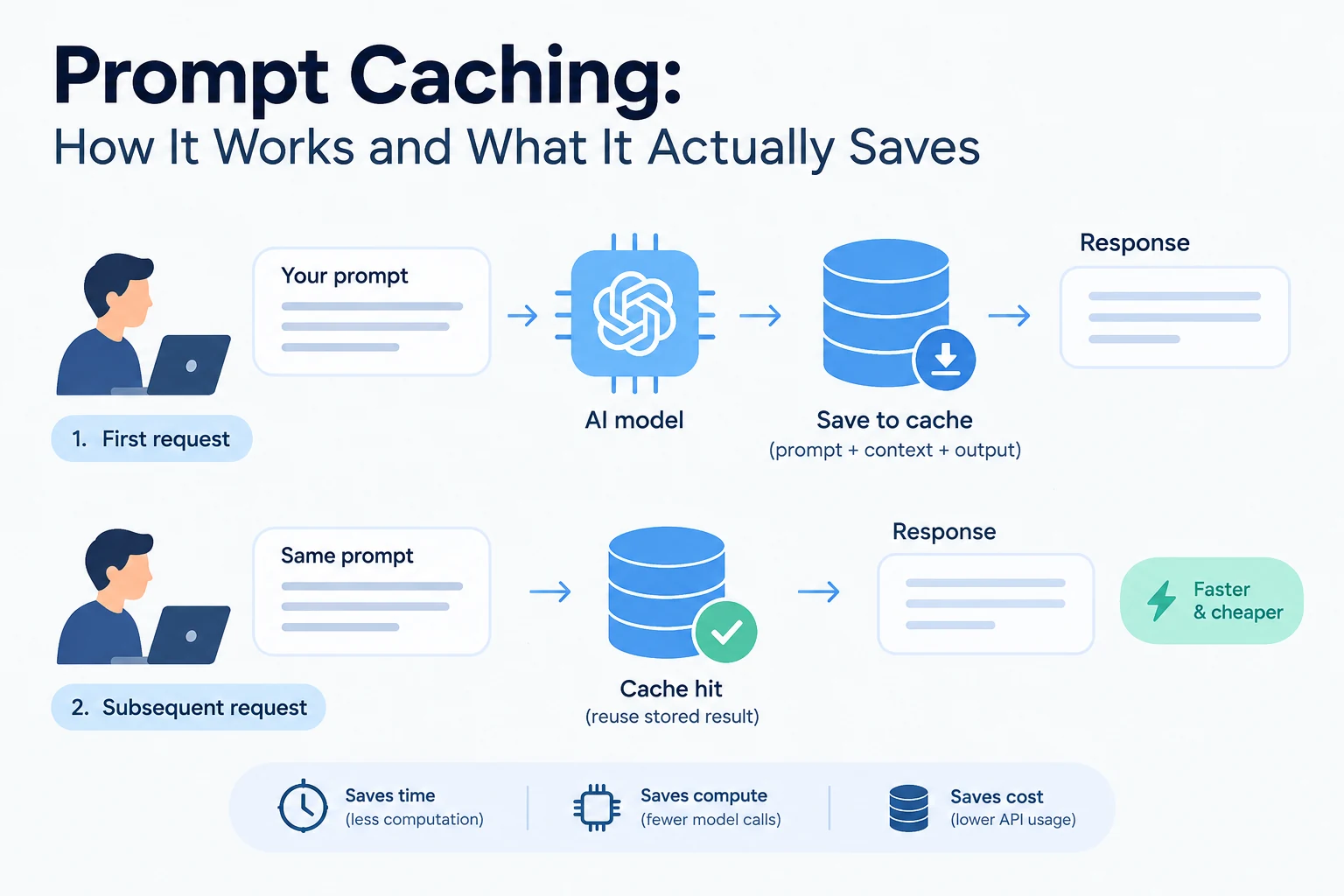
A breakdown of how prompt caching works across vendors and the actual measured savings for 50k-token prompts.