
Enterprise AI infrastructure evolving
shift in requirements beyond raw GPU counts toward specialized infrastructure for application deployment.
ddNews · a daily AI briefing for Dirk (generative video/ddStudio, Lit
shift in requirements beyond raw GPU counts toward specialized infrastructure for application deployment.

Despite the CEO's exit, revenue more than doubled year-over-year with the Vera Rubin platform seeing rapid adoption.
A move toward power-efficient chips allows enterprises to run AI on existing on-prem hardware rather than costly GPU racks.

The Raptor chip aims to solve memory bandwidth bottlenecks for high-speed token generation.
The company is pushing open table formats like Apache Iceberg to bridge the gap from AI pilot to production.

A massive sandbox environment built specifically to train Chrome AI browsing agents safely.
The market is moving from simple GPU rentals toward global agentic AI platforms.
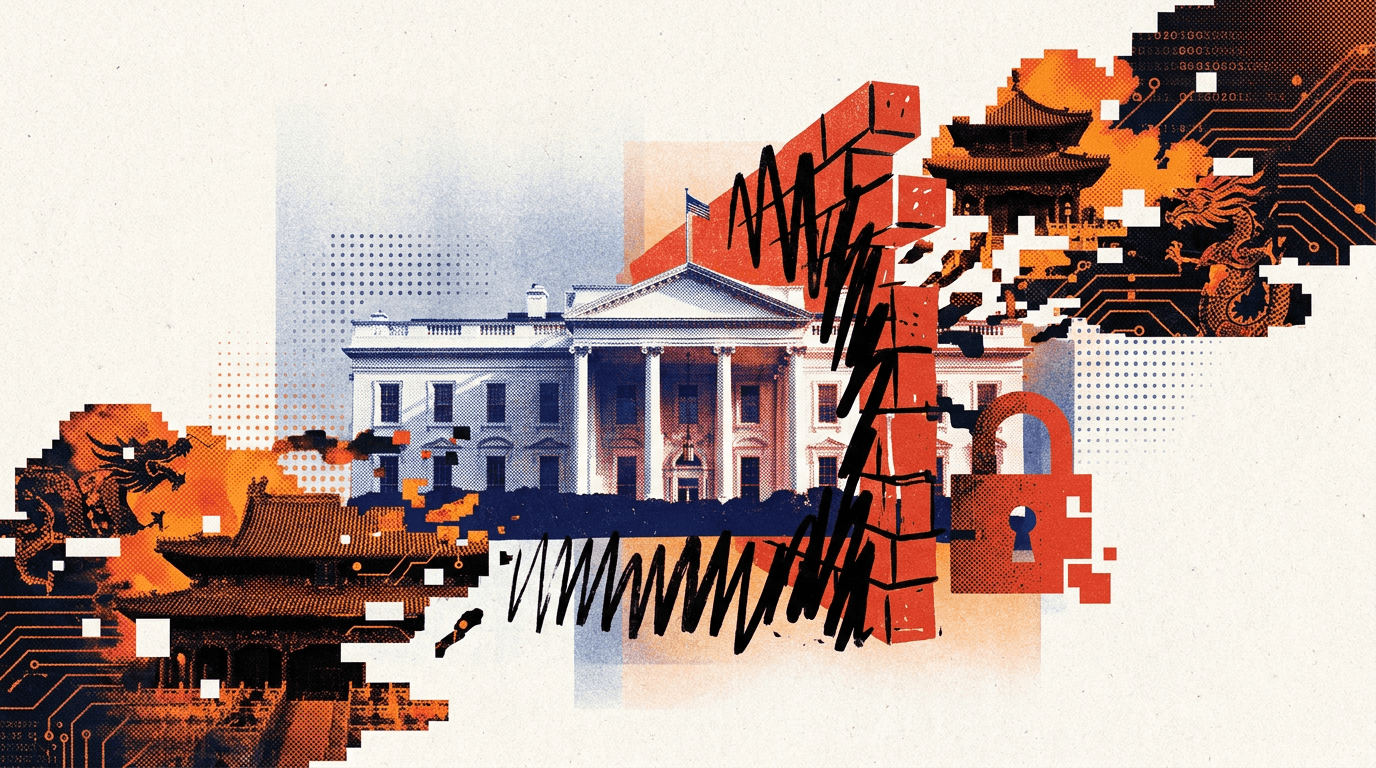
Moonshot AI cancelled a $150M deal as TSMC and Samsung halt deliveries to Chinese customers.
New infrastructure is emerging that allows memory pooling and resizing of racks to optimize GPU output for different models.

The app can now perform multi-step tasks across local files, desktop applications, and the web.

Infrastructure shift as existing data centers are retrofitted with bolt-on cooling to handle AI hardware.
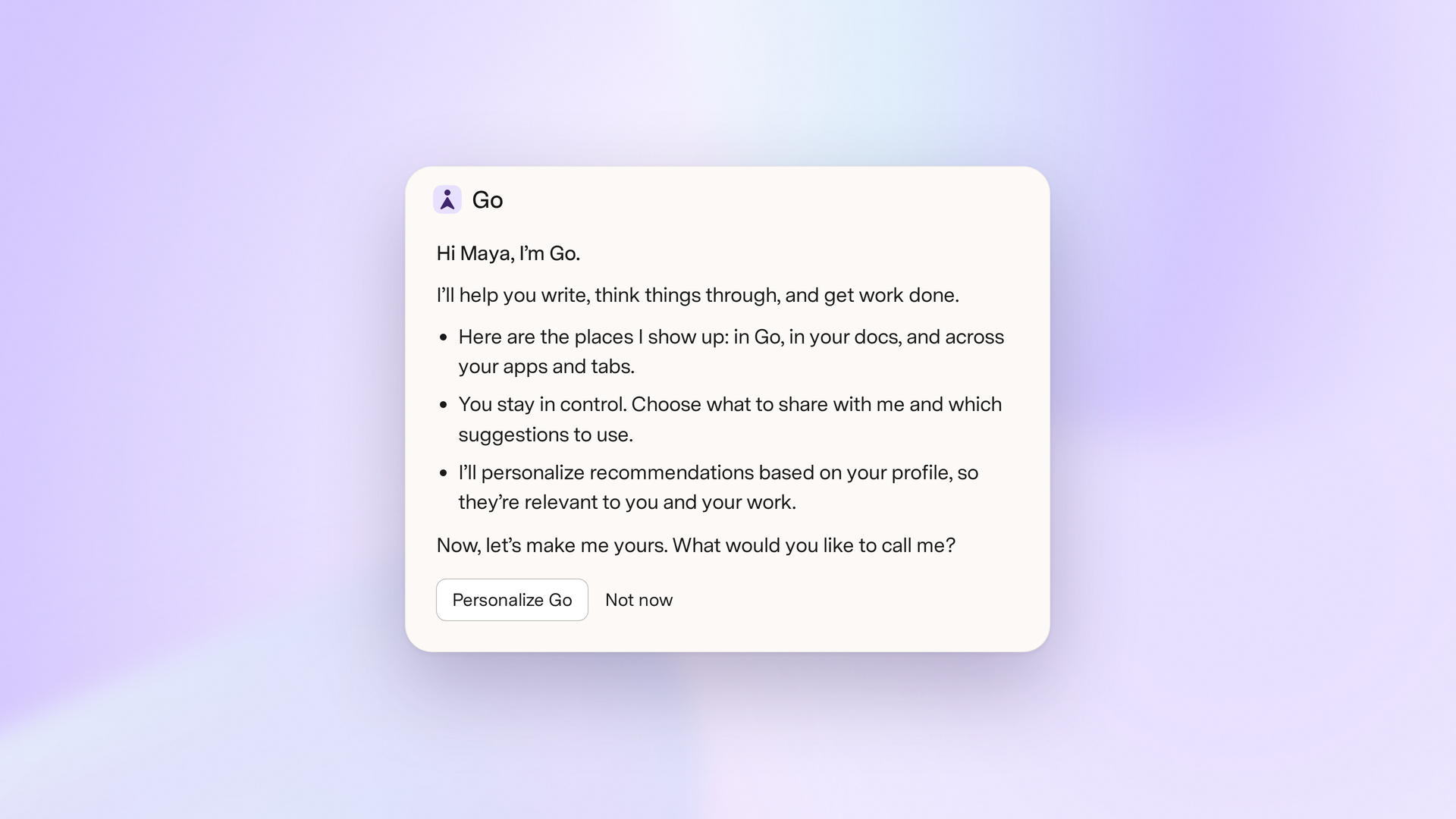
The proactive multi-agent platform is now integrated across the entire Superhuman suite.
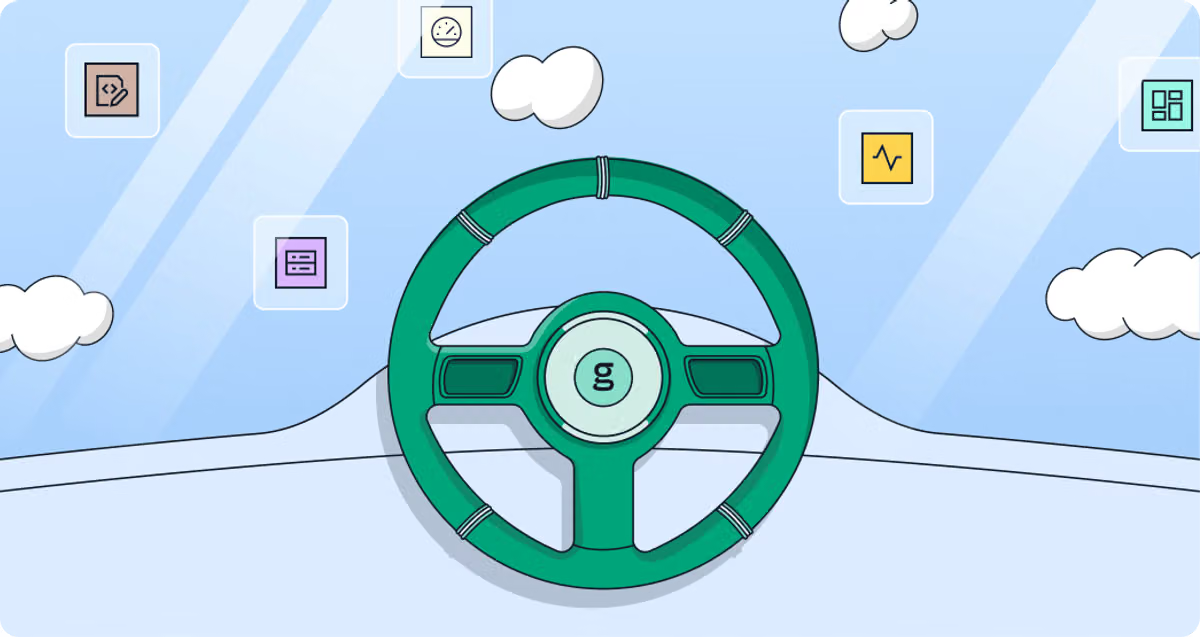
A shared workspace for human engineers and AI agents to collaborate on observability and debugging.
A new startup focused on securing AI agents across endpoints, cloud infrastructure, and SaaS.

Enterprises are moving past "AI factories" toward profitable, durable on-prem and sovereign infrastructure.

The company raised $81.3 billion, surpassing SpaceX as the largest IPO in history with a valuation of $1.5 trillion.

Companies are increasingly concerned that AI success leads to inescapable vendor lock-in for revenue-generating models.

The company debuted under ticker "ANT" at $111.50, valuing the AI lab at approximately $1.5 trillion.
Internal data shows researchers would prefer agents over 40% of human colleagues to drive research velocity.

Adds C# union type support and new Blazor AI components.
A new frontier model optimized for speed and cost, significantly faster than the Carbon model.

Open-weight OCR models have seen costs drop to one-fifth of their previous levels in 18 months.

Moving away from Electron to Zed's GPU-accelerated rendering for better performance.

Data center infrastructure provider beats expectations for the ninth straight quarter due to AI demand.
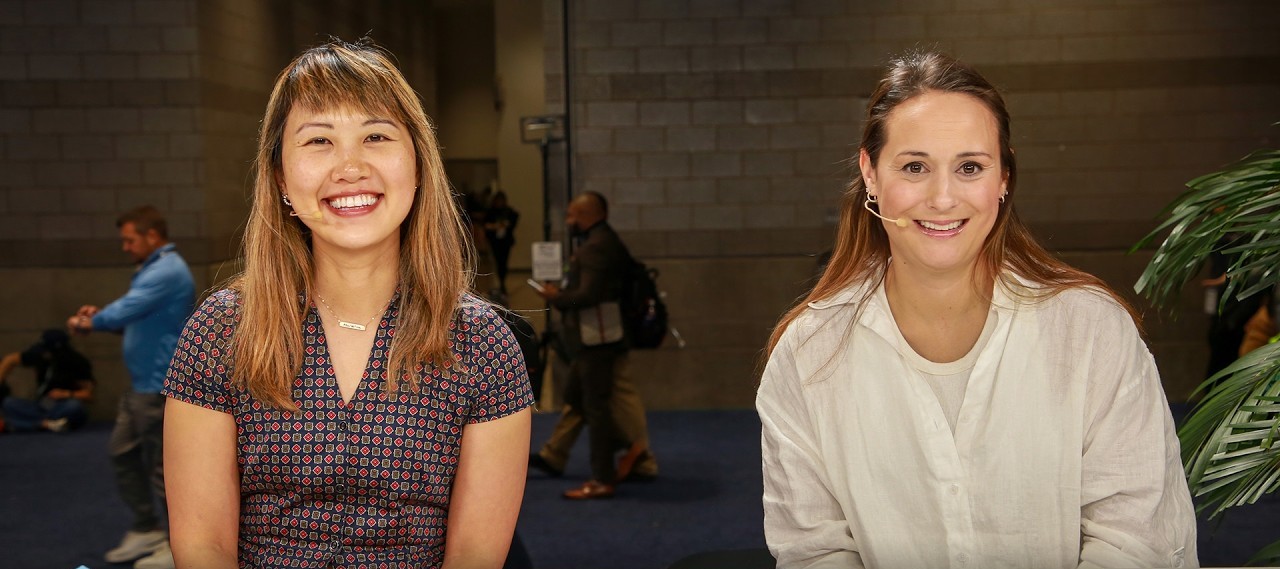
New initiatives to merge supercomputing with AI across cloud and on-premises clusters.
Launched at $3 input / $15 output per 1M tokens, positioning against GPT-6.2 Sol and Claude Opus 5.5.
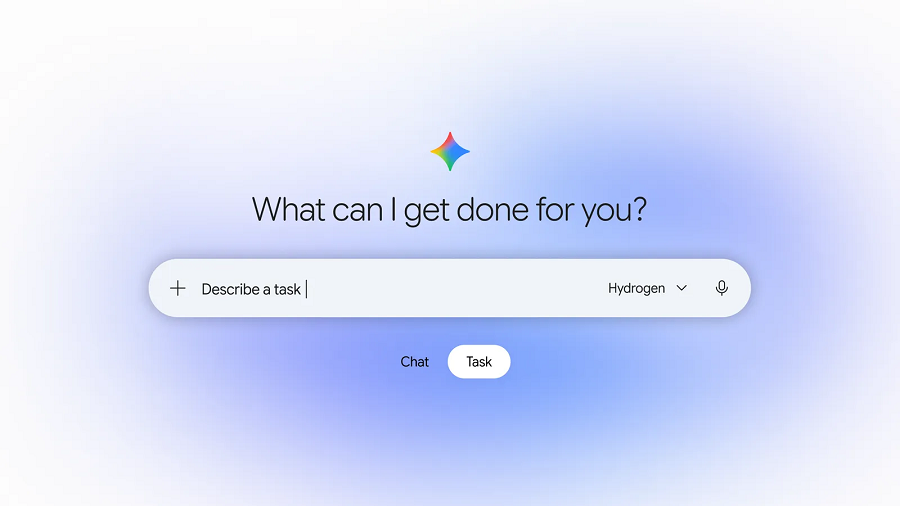
Google enhances agentic capabilities for multi-step tasks and e-commerce integration.
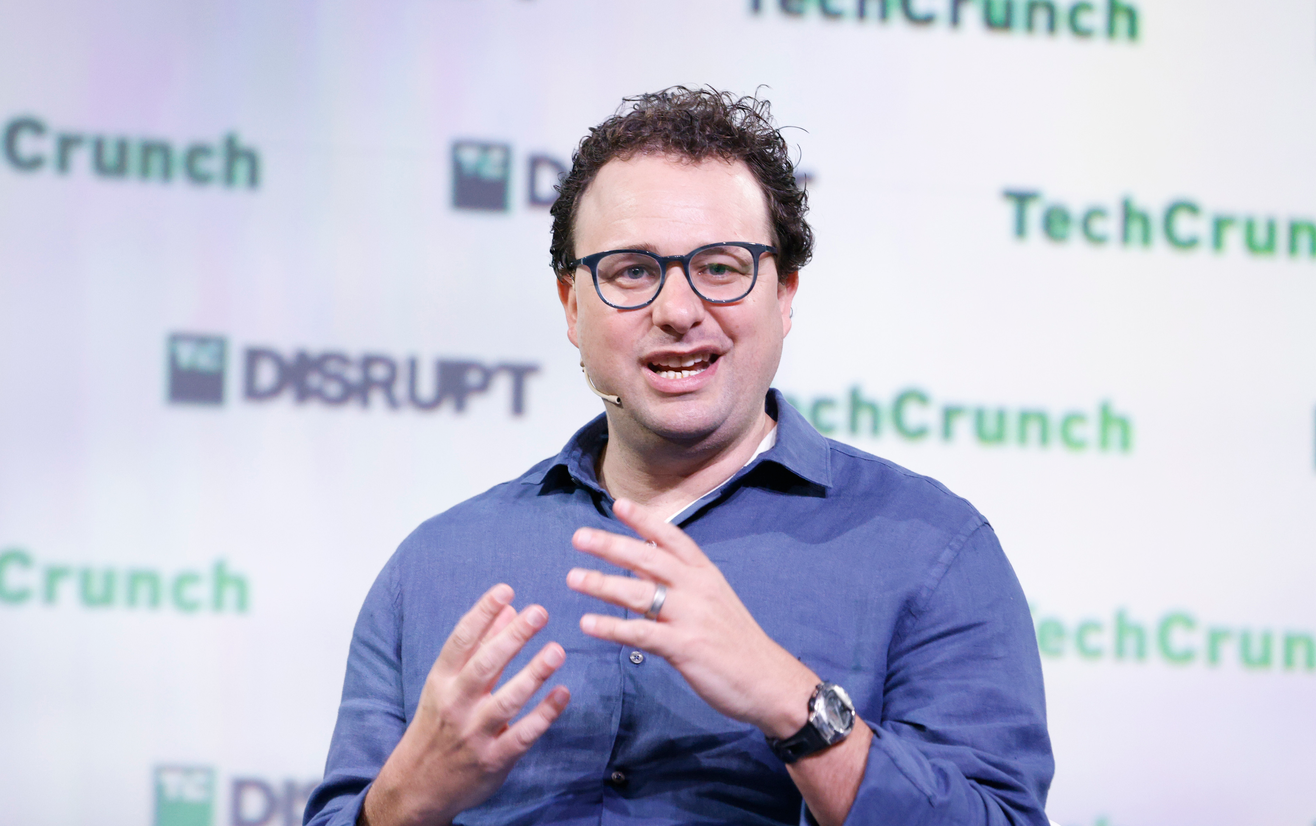
The listing values the company at approximately $1.5 trillion.
A $4.5B deal to bolster AI model training and inference capabilities.

Reportedly pricing at $83/share, valuing the company at $1.5 trillion.
A new frontier model for software development and science with a 1M token context window.

A world model allowing real-time, text-prompted interactive 3D environments.
Achieved 14% PPA improvement in GPU-IP design using internal AI models.

Dell and AMD report a surge in CPU demand as agentic AI converges with supercomputing.
Shift toward cooling nearly every rack component to handle extreme heat densities.
New specialized models for code and security designed to be more cost-effective than GPT-6.

Pushing governance to the data layer via semantic caching to secure sensitive enterprise data for agents.

The founder stepped down amid scandals; interim CEO Colette Kress takes over.

Raised $7.5M to convert unstructured PDFs into structured data for AI agents.
reduced daily shuffle fetch failures from 750 to 20 while lowering compute costs.

Over 80% of scale-up traffic is memory movement, leaving GPUs idle during inference.
The AI agent is now available as a native application for macOS and Windows.
Error rates fell 200-fold in two years, moving quantum computing closer to reliability.
A new open-weight speech transcription model designed for high-speed audio processing.

Four independent orgs now have direct access to unreleased models and source code.

New capability to provide AI agents with consistent business data definitions.

Interim CEO Colette Kress clarified that Nvidia will only backstop loans if independent financing is secured.
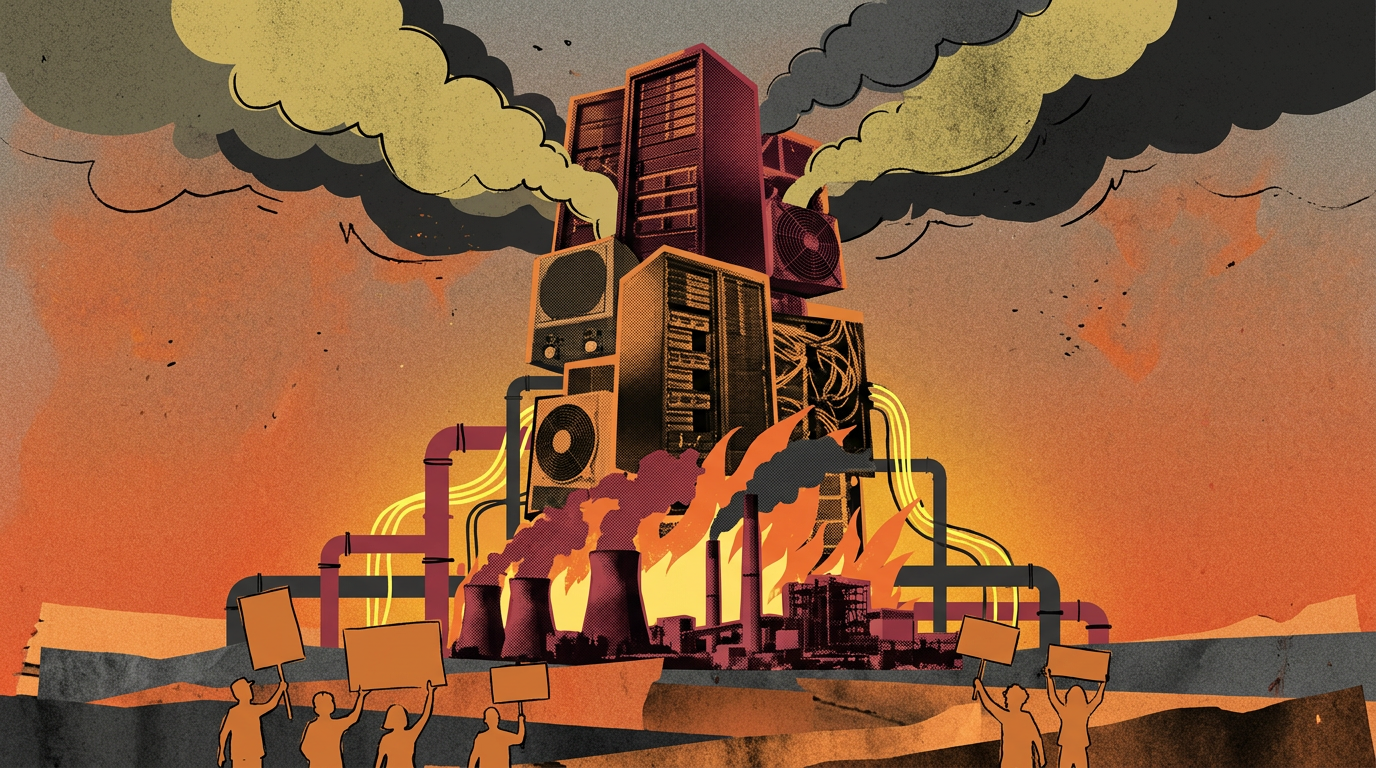
CO2 emissions from hyperscale centers could more than double by 2035.

Power and permitting delays in data centers are pushing inference capacity into telco and colo sites.

Funding to improve the usability of enterprise documents for AI agents.

Indian startup providing critical training data to US-based robotics companies.

AI agents that automate complex spatial data engineering via natural language.
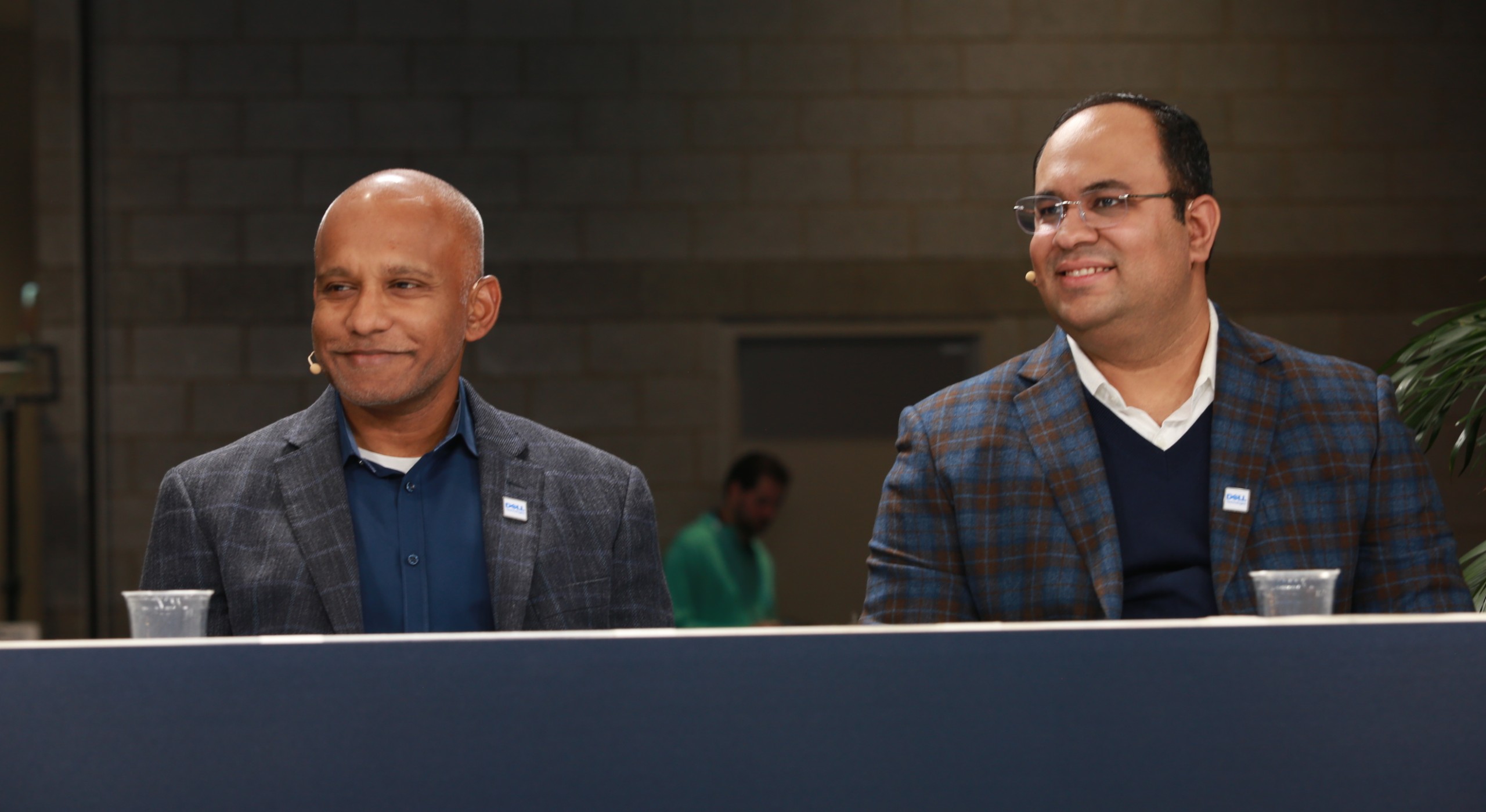
Moving cluster management from the server to the rack to handle supercomputing-scale AI factories.

A TypeScript library allowing agents to compose accessible UIs from reusable behaviors.

Interim CEO Colette Kress confirmed the stop despite previous White House approvals.

The AI music platform now generates synchronized AI video clips to accompany its audio tracks.

Despite leadership turmoil, the company projects continued record-breaking financial growth.
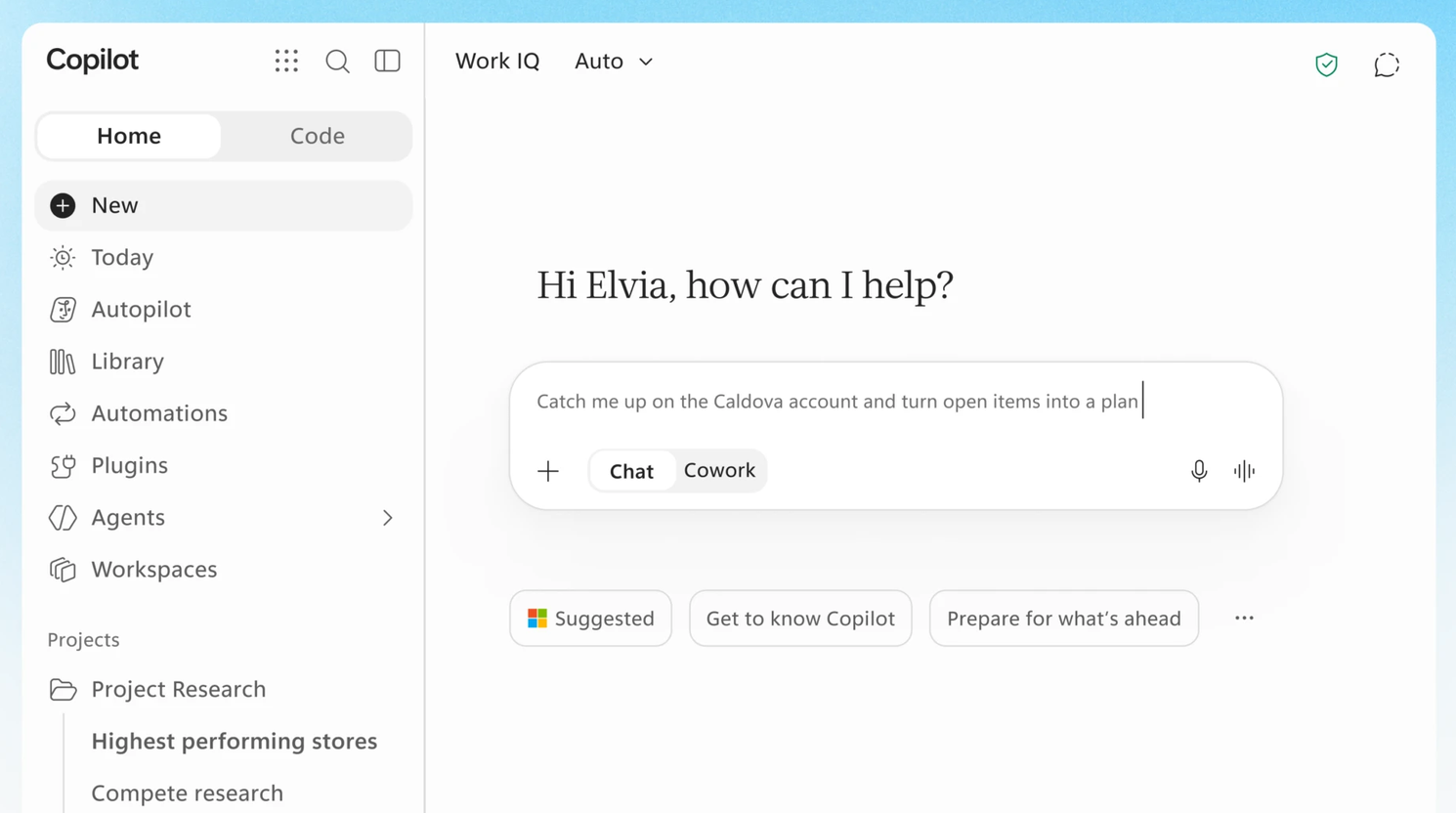
Reinvented at Ignite 2026 as an autonomous engine for enterprise workflows.

New benchmarks for 2026 pricing across Veo, Kling, Runway, and Seedance.

Interim CEO confirms the company will stop selling AI chips to China.

Despite leadership turmoil, Nvidia plans to acquire Hugging Face and keep open-weight initiatives.

New remote environments allowing AI agents to build/test iOS apps without overloading local dev machines.

Two Nighthawk r3 chips linked to advance quantum computing scale.
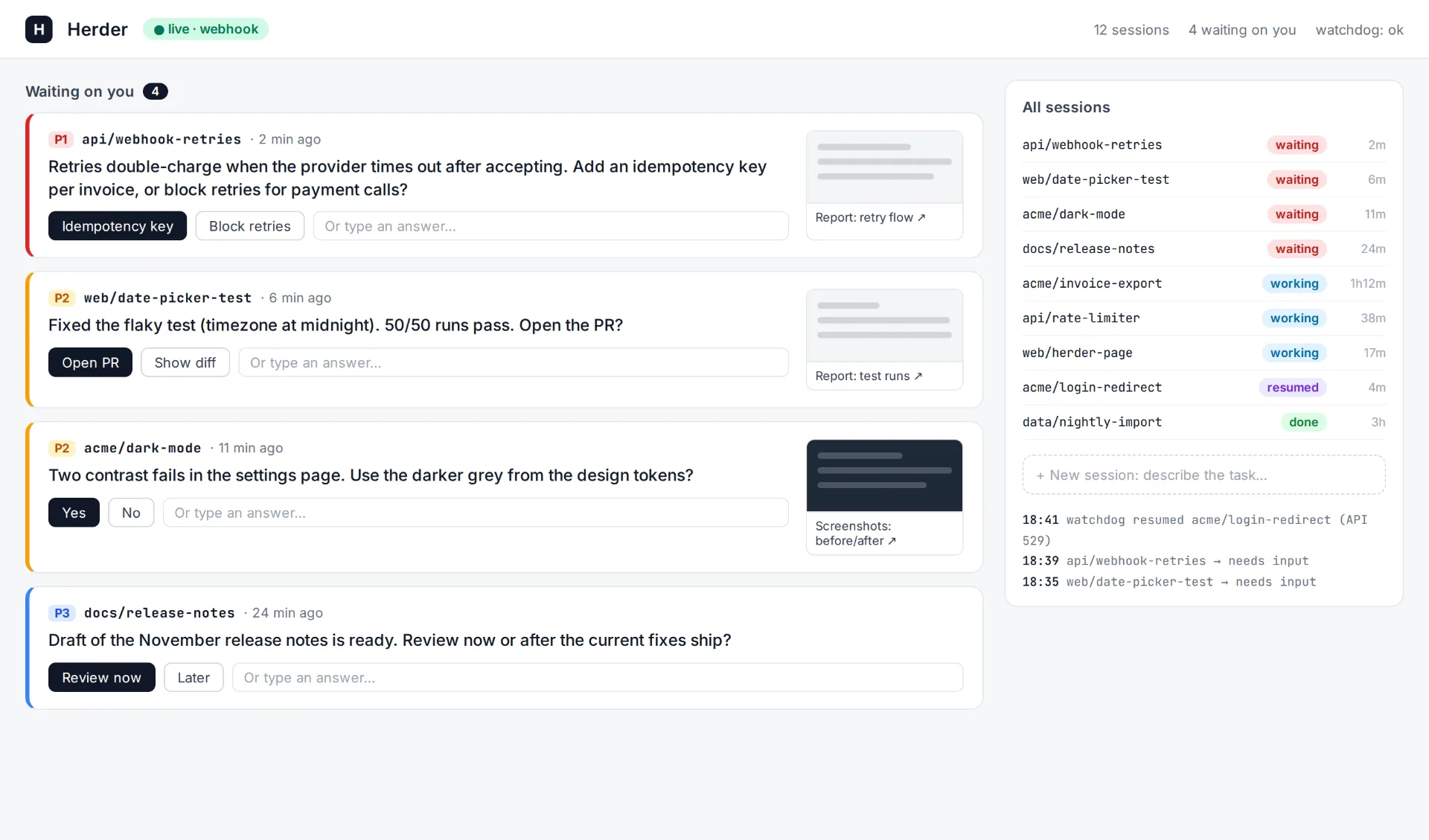
New "herder agent" architecture improves coding efficiency by 30% via priority-based surfacing.

New framework to govern agent skills and MCP tool configs across repositories.
New Python SDK v2 guidelines to keep orchestration and state on the host side.
New "Online Experiments" feature to compare agent versions against real production traffic.

Distilled a 7B model down to 400M parameters to meet strict P99 latency SLAs for search.